By: Yitbarek Tekalign
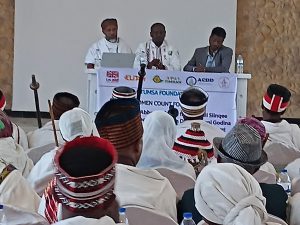
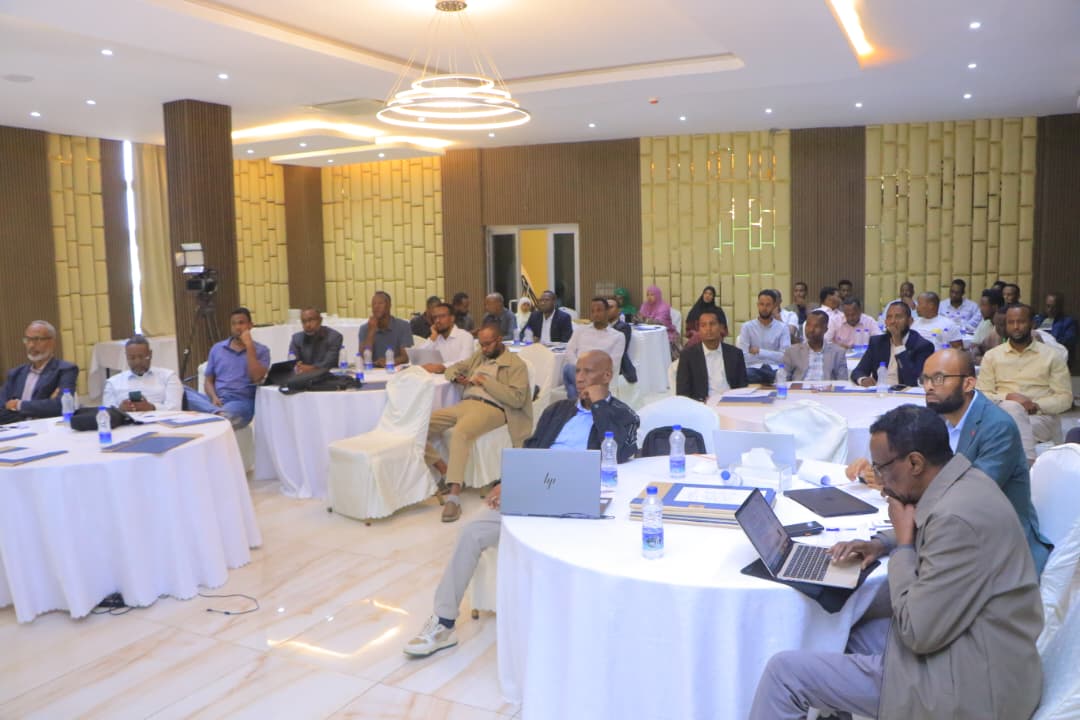
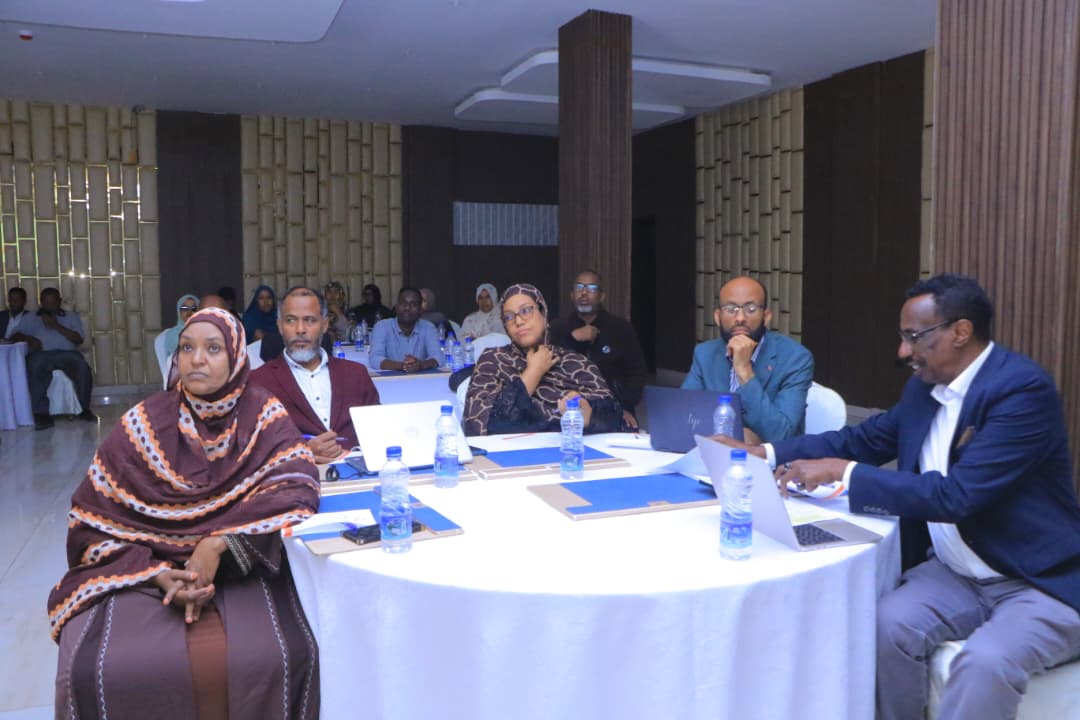
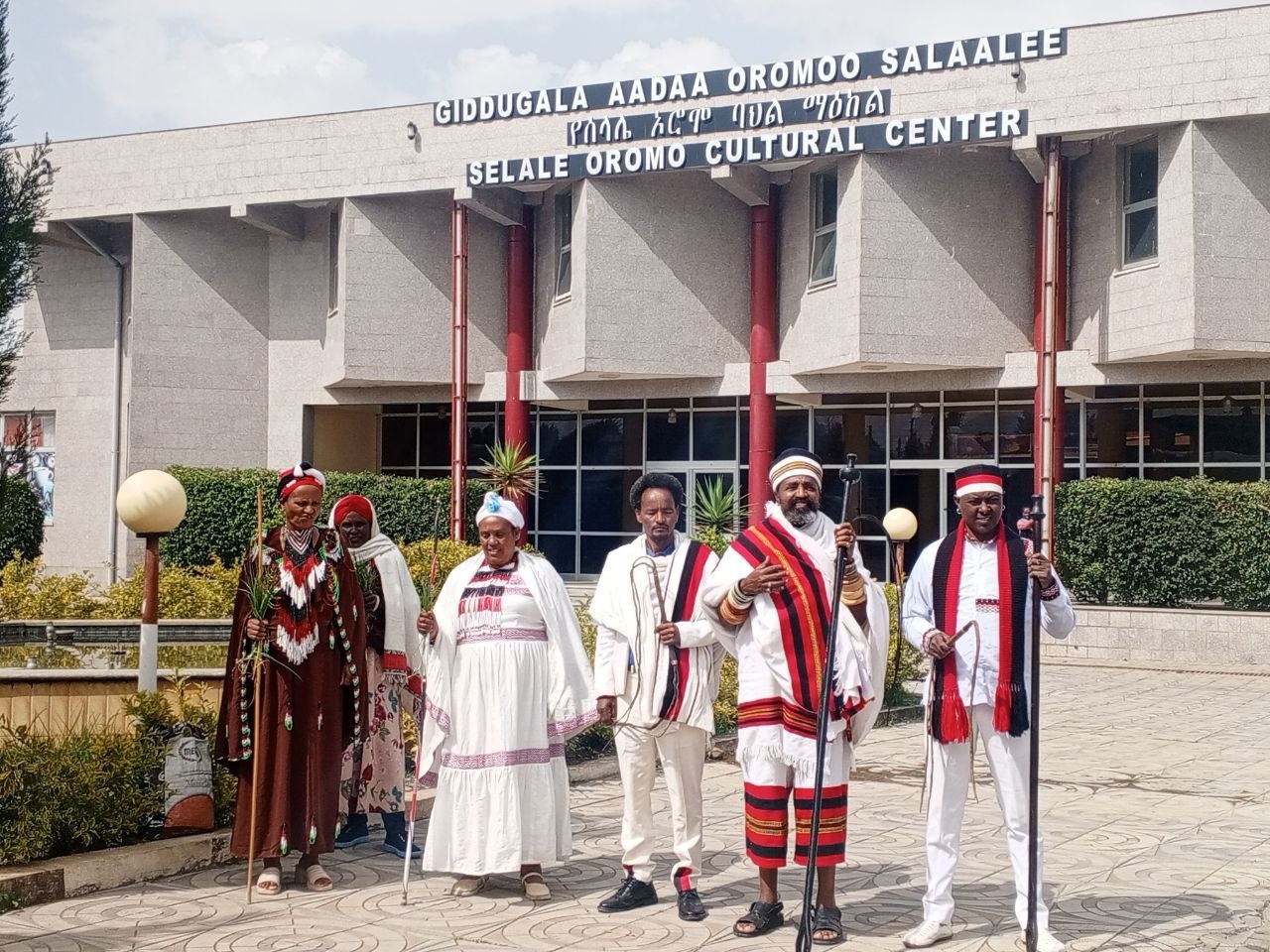
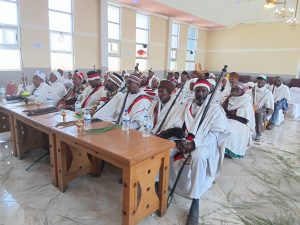 Gudina Tumsa Foundation organized a high-level discussion forum today at Girum Hotel in Fiche Town, bringing together Abbaa Gadaa, Haadha Siinqee representatives, elders, government stakeholders, and community leaders from across the North Shewa Zone of Oromia Regional State. The forum is part of the activities under the Foundation’s newly launched project titled “Enhancing Women’s Leadership, Participation, and Representation in Peacebuilding Initiatives,” backed by the Advocacy Center for Democracy and Development (ACDD).
Held under the theme “Women Count for Peace,” the forum focused on strengthening the Oromoo Gadaa system and revitalizing the Haadha Siinqee institution as key indigenous mechanisms for peacebuilding, social cohesion, conflict prevention, and community governance. The initiative comes at a time when communities are facing growing social tensions, weakening indigenous conflict resolution systems, declining respect for elders, and erosion of traditional values and social harmony.
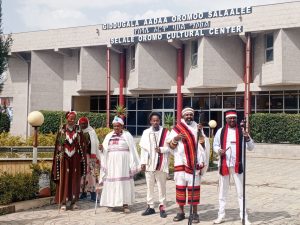 Opening the forum, Abbaa Gadaa Gobana Hola, Abbaa Gadaa of the Tulama Oromo and Secretary of the Oromo Gadaa Leaders’ Council, stressed that sustainable peace depends on restoring indigenous systems, moral responsibility, and collective unity within communities.
“Peace cannot be maintained by the government alone. Every family must protect peace within the home so that communities can live in harmony,” he told participants, emphasizing that women remain central to social stability and reconciliation efforts.
Presenting the newly launched project framework, Mr. Deme Debele, Livelihood Development Program Manager at Gudina Tumsa Foundation, said the initiative was designed in response to recurrent conflict, weakening social cohesion, and the gradual deterioration of indigenous values and knowledge systems.
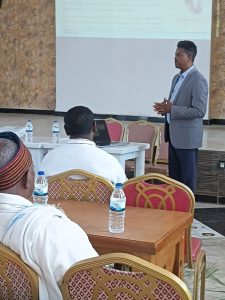 “The project aims to strengthen indigenous governance systems, promote respect for elders, reinforce positive social norms, and ensure women’s meaningful participation in peace and security processes through revitalizing the Oromoo Gadaa system and the Haadha Siinqee institution,” he stated.
Mr. Deme further emphasized that although women are often the most affected by conflict and insecurity, they continue to be excluded from leadership and formal peace processes. “This initiative seeks to recognize women not as victims alone, but as essential actors in mediation, reconciliation, and sustainable peacebuilding,” he added.
Discussions throughout the forum highlighted the critical role of Gadaa leaders and the Haadha Siinqee institution in restoring dialogue, strengthening ethical values, mediating disputes before they escalate into violence, and rebuilding intergenerational trust within communities. Participants also stressed the importance of preserving indigenous knowledge systems and transferring cultural values to younger generations.
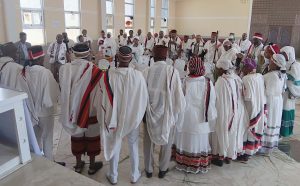 The forum is expected to strengthen collaboration among traditional leaders, women’s groups, youth, faith-based institutions, and government stakeholders while contributing to more inclusive and culturally grounded peacebuilding efforts across the North Shewa Zone. The engagement also marks the beginning of a broader district-level community dialogue process that will continue across nineteen districts to strengthen women’s leadership and revitalize indigenous peacebuilding mechanisms for lasting peace and social cohesion.
The district-level discussions will support the implementation of the project at the community level. In addition, Gudina Tumsa Foundation has planned to organize regional-level discussion forums bringing together Tulama, Sikkoo Mandoo, and Macha Gada leaders to promote experience sharing and strengthen collaboration among indigenous peacebuilding structures across Oromia.