By: Yitbarek Tekalign
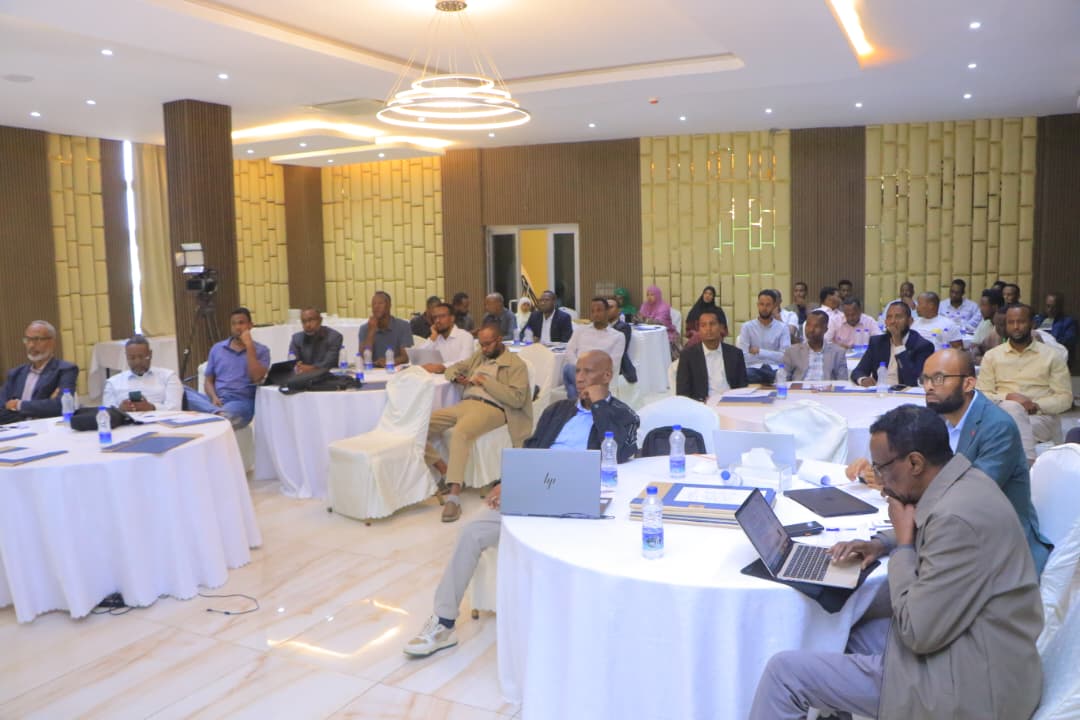
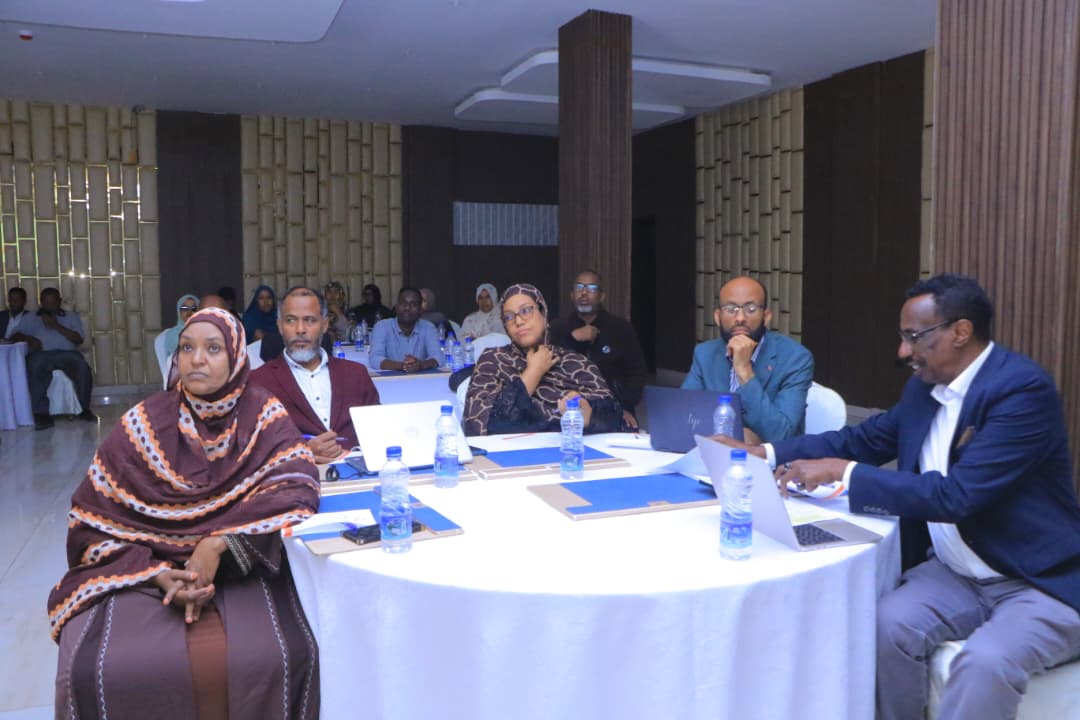
 Today, a landmark gathering at the Elilly International Hotel brought together a coalition of leaders and experts to confront a critical challenge facing the Oromia region: teenage pregnancy. Organized by the Gudina Tumsa Foundation (GTF) as part of its Healthcare and Livelihood Improvement Advocacy Project in Oromia (HaLIAPO), the Validation Workshop served as a pivotal forum for presenting in-depth research and charting a course for effective prevention. The workshop’s objectives were to present key findings of the study, to solicit feedback for refining its content and quality, and to gain insights on how the research could be used for advocacy.
The workshop’s central focus was the study titled “Uncovering Factors Contributing to Teenage Pregnancy and Effective Prevention Mechanisms in Oromia.” This research, a core activity of the HaLIAPO project, aims to generate reliable, data-driven insights to inform and strengthen health sector policies. Throughout the day, key research findings were presented. The program was structured to encourage dynamic exchange, with presentations followed by a dedicated plenary discussion.
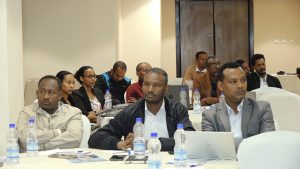
The atmosphere was one of purposeful engagement, as participants including higher officials from the Oromia National Regional State, government bureaus, development partners, and key stakeholders actively contributed to the discourse. A key component of the program was the plenary discussion where attendees posed questions and offered recommendations. These insights are considered vital for refining the study’s quality and ensuring its findings can be effectively utilized for advocacy. Reflecting the collaborative spirit, answers were provided by a panel of experts, reinforcing the commitment to transparent and comprehensive problem-solving.
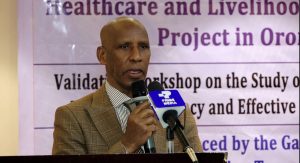 In his opening speech, Mr. Teshome Bula, HaLIAPO Manager and representative of GTF, warmly welcomed the attendees and reiterated the foundation’s vision since its establishment in 1992: On behalf of GTF, he also expressed gratitude to the Gates Foundation for financial support, and to the Office of the President of Oromia National Regional State and the Oromia Region Health Bureau for their close partnership, which was instrumental in enabling the research and ensuring the project’s success.
The workshop underscored a shared commitment to building a better, more dignified world for marginalized communities. The findings and recommendations from this gathering are poised to serve as a foundational tool, guiding future advocacy efforts to reduce teenage pregnancy rates and empower the youth of Oromia. The day’s proceedings concluded with a renewed sense of purpose, setting the stage for the next phase of the project: turning data into action.