By: Yitbarek Tekalign
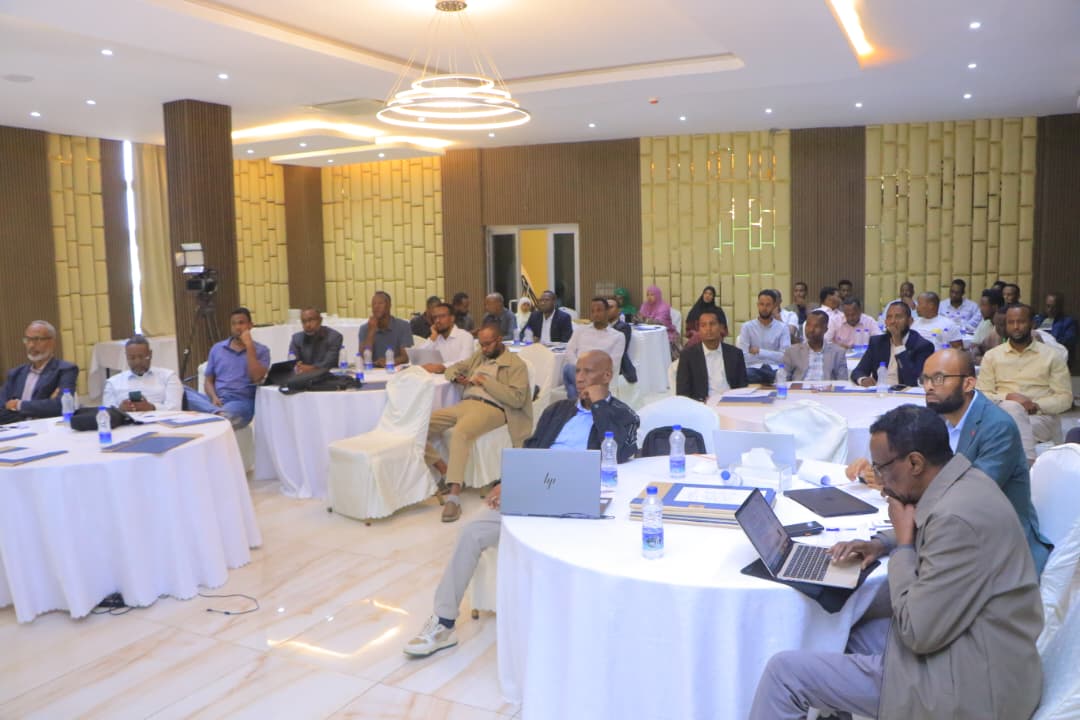
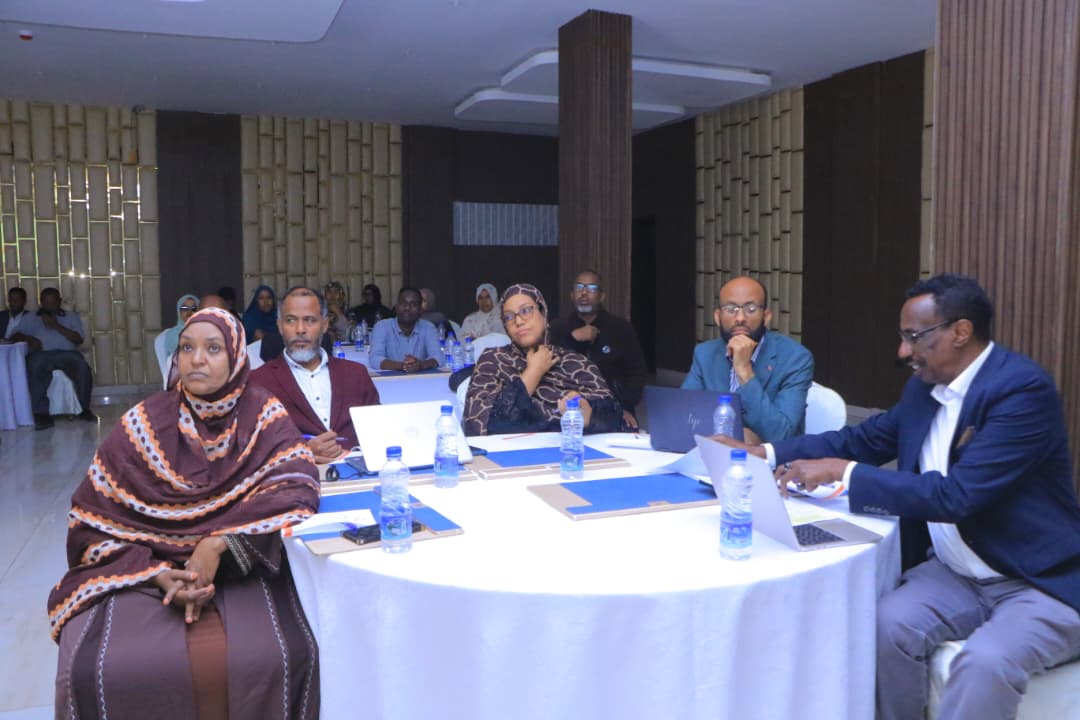
 In a decisive step toward aligning economic advancement with environmental responsibility, a high-level regional workshop on the Greening Financial System was convened at Shaahid Hotel in Jigjiga city, bringing together regional government leaders, financial sector officials, policymakers, and academic experts. The gathering marked an important milestone in the Somali Regional State’s efforts to embed sustainability at the core of its financial and development agenda and was spearheaded by the Gudina Tumsa Foundation through its Healthcare and Livelihood Improvement Advocacy Project in Somali (HaLIAPS), which is driving the integration of green finance principles into regional policies and practices to support climate resilience, sustainable livelihoods, and inclusive economic growth across the region.
The event drew senior representatives from the regional Financial Inclusion Taskforce, banks, microfinance institutions, cooperative unions, regional government bureaus, and Jigjiga University. Participants engaged in in-depth discussions on how financial systems can function not only as engines of economic growth, but also as instruments for climate resilience and long-term environmental protection.
The workshop opened with a keynote address by Mr. Mubarak Ahmed, Financial Inclusion Coordinator for the Somali Regional State, who emphasized that sustainability has become a central pillar of modern economic governance. He noted that integrating environmental considerations into financial frameworks is no longer optional, but essential for building a resilient, inclusive, and forward-looking regional economy. He further highlighted the role of financial institutions in safeguarding natural resources while expanding access to capital for underserved and vulnerable communities.
 The initiative is being advanced through a strategic partnership led by the Gudina Tumsa Foundation under its Healthcare and Livelihood Improvement Advocacy Project in Somali. Addressing participants, Ms. Kemeriya Abdurehaman, the project coordinator, outlined the foundation’s vision for transforming the region’s financial landscape. She explained that the foundation is committed to promoting and mainstreaming the Greening Financial System so that financial flows actively support a low-carbon and climate-resilient economy, while ensuring that financial inclusion efforts contribute to sustainable development outcomes.
 Providing the technical foundation for the workshop, Mr. Abdurahman Mohamed, HaLIAPS Regional Financial Inclusion Advisor to the President of the Somali Regional State, delivered a comprehensive presentation on the operational and policy dimensions of greening the financial system. He explained that the transition requires a fundamental shift in how financial institutions assess both risk and opportunity, stressing that greening the system goes beyond offering specialized green products and instead demands the full integration of Environmental, Social, and Governance principles into all levels of financial decision-making.
Mr. Abdurahman also underscored the urgency of this transformation for a region increasingly affected by climate-related challenges such as drought and environmental degradation. He remarked that moving beyond traditional banking models is essential to creating a system in which financial stability and environmental health are viewed as mutually reinforcing. By adopting greener financial practices, he noted, institutions can protect the region’s natural heritage while strengthening their own long-term sustainability and profitability.
 The workshop shifted from strategic dialogue to practical engagement as participants formed technical working groups to examine the specific barriers to advancing green finance in the region. Discussions centered on the need for clear definitions of what constitutes “green” and “sustainable” finance within regional financial policies, as well as the importance of developing measurable indicators to track green financial flows, investment volumes, and environmental and social risk management practices. Participants stressed that financial supervision should not only assess profitability, but also evaluate how thoroughly institutions examine the environmental and climate-related risks associated with major projects and investments.
Deliberations also explored market development and transparency, with participants highlighting the need for climate-smart financial products tailored to the region’s pastoralist and agro-pastoralist livelihood systems. Proposed priority areas included solar-powered irrigation and energy systems, climate-resilient agricultural practices, livestock value chain development, and community-based projects that generate income while restoring ecosystems. Several groups emphasized the importance of pilot initiatives that could be implemented in partnership with cooperatives, women’s and youth associations, and regional bureaus to demonstrate the commercial and environmental viability of green investments.
 The event concluded with closing remarks by Mr. Iyobed Yonas, Programs Director of the Gudina Tumsa Foundation, who encouraged participants to view the Greening Financial System not only as a policy framework, but as a strategic opportunity for the region. “This discussion will help you understand the concept, but it also requires more time to digest what we have learned today,” he said, urging participants to revisit the shared materials and reflect on how the ideas could be translated into action within their respective institutions.