By: Yitbarek Tekalign
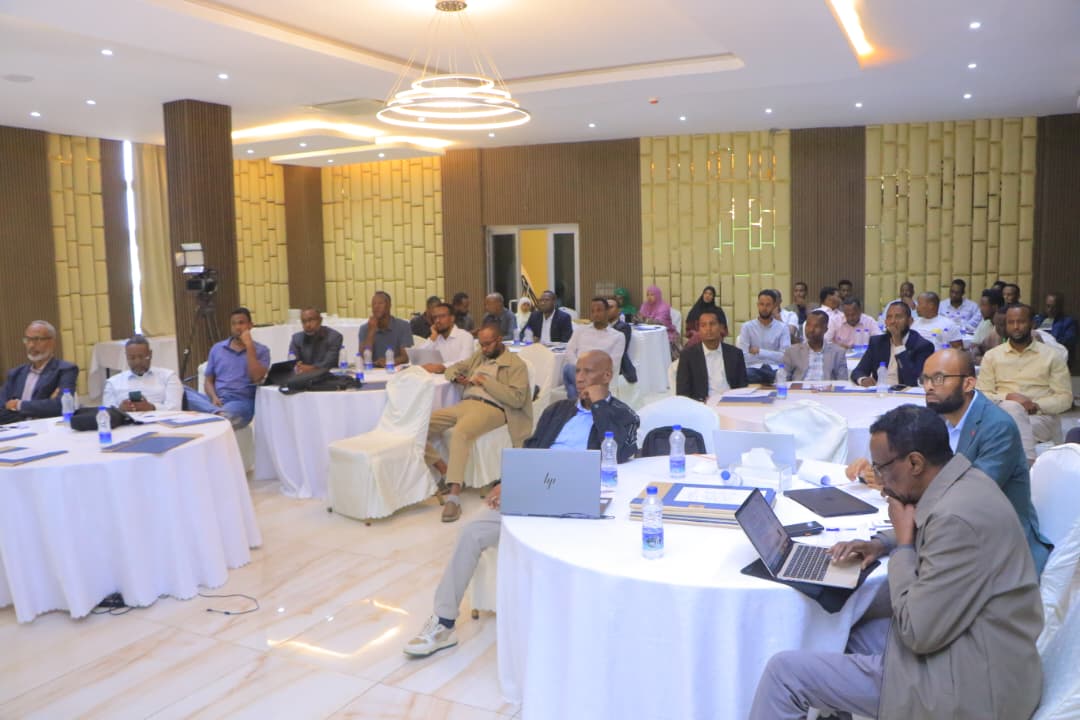
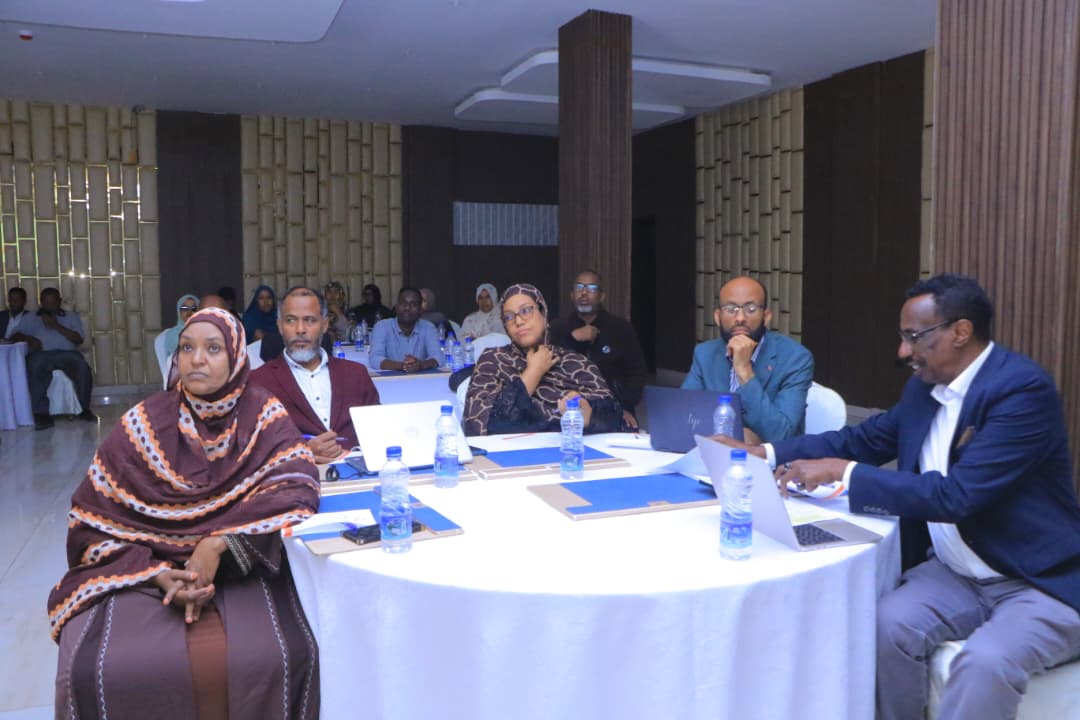
 Yesterday, in the heart of the Somali Regional State, within a hall of pristine white walls and ceilings that mirrored the clarity of purpose defining the day, a moment of transformation unfolded. The Gudina Tumsa Foundation (GTF) unveiled a suite of evidence-based policy briefs under the Healthcare and Livelihood Improvement Advocacy Project in Somali, a Gates Foundation–backed project that GTF implements in close collaboration with the Somali Regional State Office of the President. Senior officials, including HE Dr. Hussein Kassim, Chief of Cabinet and Head of the Somali Regional President’s Office, advisors to the President, and heads of regional bureaus, took part in the gathering, reflecting a shared commitment to translating research into practical action for the region’s communities.
 This gathering was not merely a presentation of data; it marked the harvest of a season that began with the careful ploughing of baselines and the sowing of research seeds. For more than a year, researchers and officials nurtured these efforts through consultative meetings and validation workshops. The result is a practical roadmap aimed at improving the lives of the Somali people, particularly the most marginalized.
The HaLIAPS project centers on four critical sectors that form the bedrock of regional development: healthcare and nutrition, agriculture, financial inclusion, and women’s economic empowerment.
The Somali Region possesses significant agricultural potential, with vast areas of arable land that remain largely underutilized. Although cultivation has expanded over the years, productivity continues to rely heavily on traditional farming practices, with cereals accounting for the majority of cultivated land. Moving forward, there is a need to transition from dependence on rain-fed agriculture to more resilient irrigation-based systems. However, challenges such as high input costs and the lack of land certification persist, discouraging long-term investments essential for sustainable growth.
 Financial inclusion remains a final frontier for many in the region, which continues to rank among the least financially included in Ethiopia. Despite national reforms, barriers such as the lack of Sharia-compliant products and a pronounced urban–rural divide persist. Access to formal banking services in rural areas is extremely limited, while mobile banking has emerged as a promising alternative. The policy brief calls for accelerating digital identification and expanding culturally tailored financial literacy initiatives so that every citizen can participate in the formal economy.
Women in the Somali Region have made notable strides in leadership, now holding a significant share of regional council seats. This political progress, however, contrasts sharply with economic realities. Very few women have land registered in their names, and access to formal loans remains limited. The promise of equality must translate into tangible progress through targeted job creation and improved access to education for girls. Many girls drop out of formal education at nearly twice the rate of boys, often due to early marriage. Expanding childcare services is also essential, as the lack of formal facilities forces women to rely on informal arrangements, reinforcing the burden of unpaid care work.
 In healthcare, progress has been made, but significant gaps in service quality remain. Maternal health continues to pose serious challenges, with many pregnant women not attending antenatal care and a large proportion still delivering at home. Awareness of family planning remains low. Child health faces similar hurdles, as full immunization coverage has declined in recent years. The health workforce remains below international standards. The roadmap calls for a multisectoral approach, including increasing the health budget in line with global commitments, to reduce the heavy reliance on out-of-pocket payments.
The atmosphere in the Office of the President’s Hall was one of accountability and partnership. Iyobed Yonas, Programs Director of the Gudina Tumsa Foundation, emphasized that the foundation’s work extends beyond research. “The final goal is not presenting the policy briefs but the actions and measurements to be taken,” he noted, adding that several in-depth studies are already underway.
Dr. Hussein Kassim, Chief of Cabinet and Head of the Somali Regional President’s Office, received the findings with a commitment to transformation, emphasizing the importance of deeper collaboration with sector bureaus to ensure that recommendations are effectively translated into policies and subsequently implemented through actionable measures.
As the meeting concluded, the message was unmistakable. The research has been harvested, and the work of implementation now begins, ensuring that the fruit of today’s policy labor feeds the success of tomorrow.