By: Yitbarek Tekalign
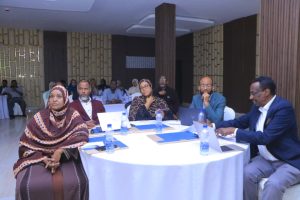 As the gentle winds of the Somali plains swept across Jigjiga City this morning, carrying with them the scent of resilience from distant pastoral fields, officials, leaders and experts gathered in the heart of the regional capital to chart a stronger path toward women’s economic empowerment.
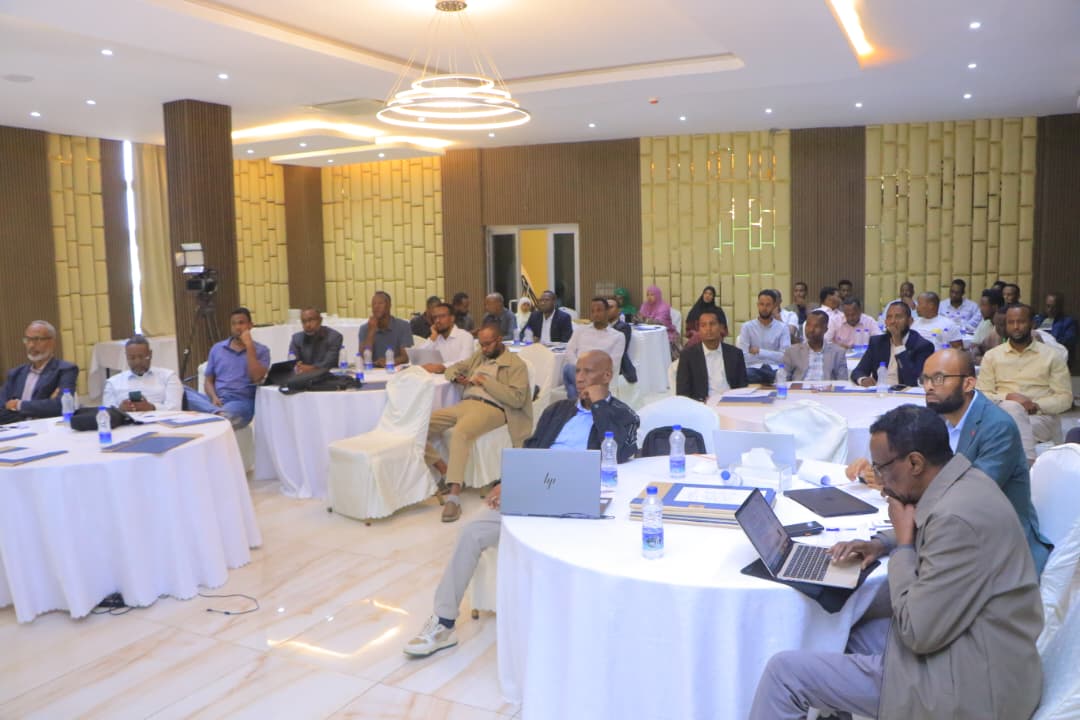
Inside the elegant hall of Duule Hotel, where the white floor reflected the morning light like a calm riverbed after the rains, participants assembled beneath a white ceiling adorned with smooth decorative lights that shimmered like stars scattered across the vast Somali sky.
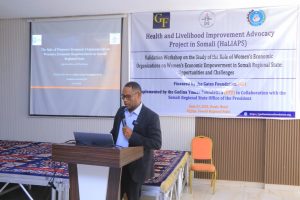
The workshop, organized by Gudina Tumsa Foundation (GTF) under its Health and Livelihood Improvement Advocacy Project in Somali (HaLIAPS), focused on the validation of the key findings of a comprehensive study entitled “The Role of Women’s Economic Organizations on Women’s Economic Empowerment in Somali Regional State.”
The event brought together officials and representatives from regional government bureaus, women’s institutions, financial institutions, and other pertinent stakeholders from across the region. The primary objective was to present the study’s findings, solicit feedback from key stakeholders, and build consensus on actions needed to strengthen women’s economic empowerment in the Somali Region.
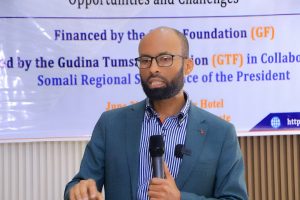 Opening the workshop, Mr. Iyobed Yonas, Program Director of Gudina Tumsa Foundation, emphasized the Foundation’s unwavering commitment to women-centered development. “In everything the Foundation does, women are at the heart of our work,” he said. According to him, the research presented today provides a valuable contribution toward identifying practical pathways for women’s empowerment and strengthening their role in economic transformation.
The study, conducted to assess the contributions, opportunities, and challenges of Women’s Economic Organizations in the region, revealed that these organizations have become important vehicles for improving women’s incomes, savings, market access, leadership participation, and decision-making power.
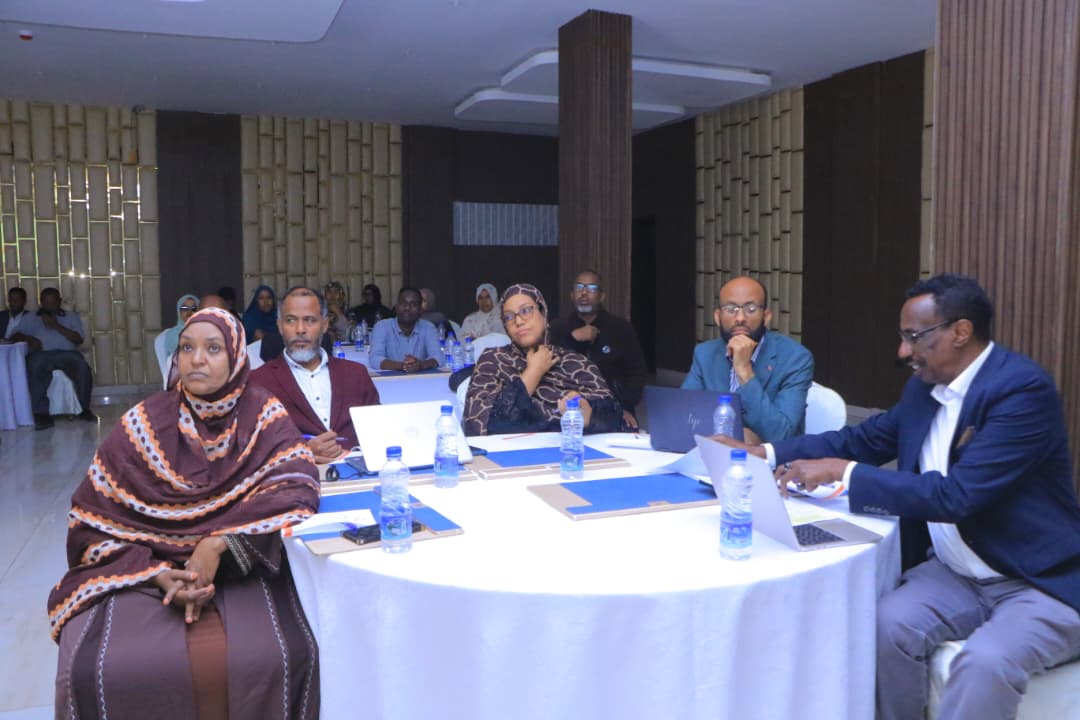
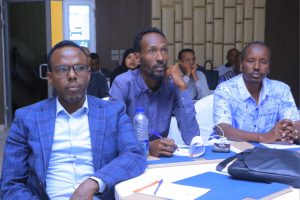 Following the presentation, the workshop transformed into a vibrant forum of dialogue and reflection. Participants actively engaged in discussions, raising critical questions, sharing experiences from their respective institutions, and offering constructive recommendations to strengthen the study.
The exchange reflected a shared commitment to advancing women’s economic empowerment across the Somali Regional State. Questions and suggestions from participants were addressed by the research team, leading to a deeper understanding of both the findings and their implications for policy and programming.
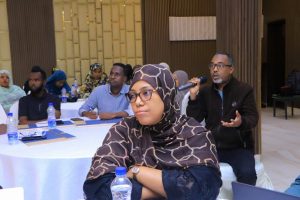 Many participants described the study as timely, relevant, and highly valuable. They noted that the research fills an important evidence gap and provides practical insights that can guide government institutions, development partners, and civil society organizations in designing more effective interventions for women’s empowerment.
After the lively discussion, participants reached consensus on the validity of the study and its findings. The research was formally validated, marking an important milestone for evidence-based advocacy and policy engagement in the Somali Regional State.
The validation concluded with warm applause that echoed through the hall, an affirmation not only of the quality of the research but also of the collective aspiration it represents.
With the successful validation of the study, stakeholders expressed hope that its recommendations will serve as a roadmap for strengthening women’s economic organizations, expanding opportunities, and building a future in which women across the Somali Region can participate fully and equally in economic life.