By: Yitbarek Tekalign
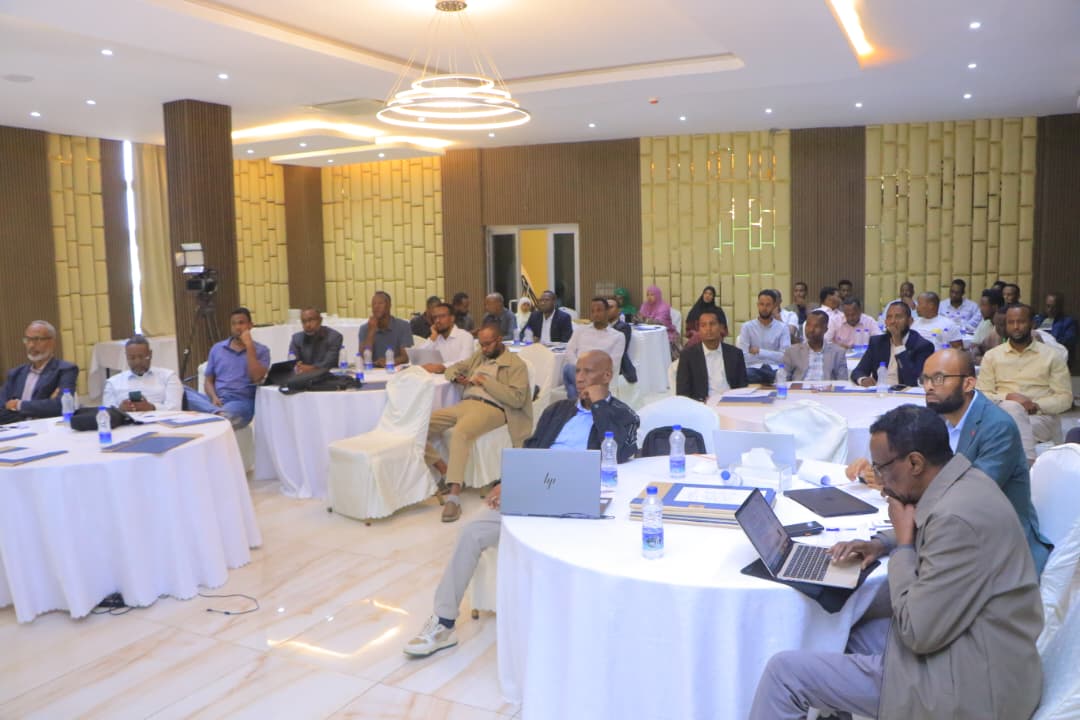
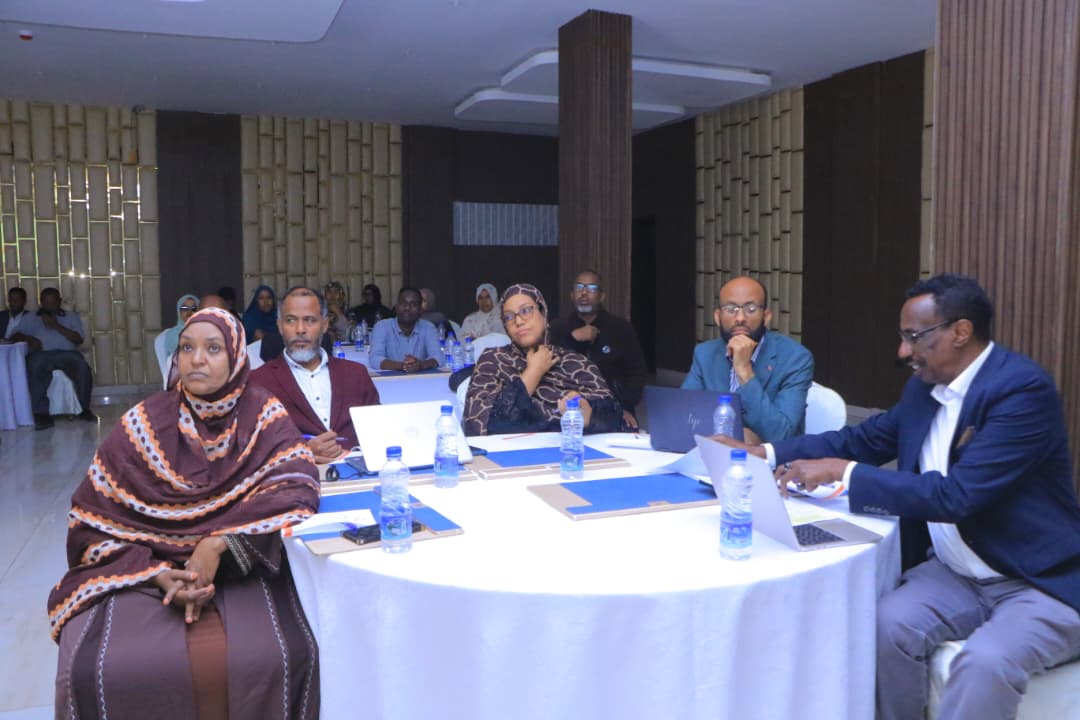
Today, Gudina Tumsa Foundation (GTF) held a high-level meeting on the Organizational Capacity Assessment (OCA) of the Oromia Women and Children Affairs Bureau (OWCAB), at Elilly International Hotel. Organized by the Gudina Tumsa Foundation (GTF) under the Health and Livelihood Improvement Advocacy Project in Oromia (HaLIAPO), the session brought together senior leadership, directors, and technical staff from OWCAB to critically engage with the findings of the assessment and deliberate on a way forward for institutional strengthening and effective gender-responsive service delivery.
 The workshop opened with welcoming remarks from GTF and a keynote address delivered by a guest of honor representing the Bureau. The central feature of the day was the presentation of the OCA key findings by Mr. Firomsa Taye, General Manager of FTS Management and Strategy Consulting, the firm commissioned to conduct the study. The presentation outlined major capacity gaps across several domains, including leadership and staffing, gender-disaggregated data management, interdepartmental coordination, and gender-responsive budgeting.
 The discussion emphasized that strengthening the Bureau’s internal systems is fundamental to achieving inclusive and transformative outcomes. In his reflection on the assessment, Mr. Iyobed Yonas, Programs Director at GTF, expressed appreciation for the active collaboration shown by OWCAB staff during the assessment process. He underscored the broader aim of the project: “The ultimate goal of this workshop is to enhance the implementation capacity of the Oromia Women and Children Affairs Bureau to deliver critical services, including women’s economic empowerment, to the women in the region.”
Mr. Iyobed also addressed questions from participants regarding the next steps. While GTF will not be directly funding the implementation of the capacity development plan outlined by the OCA, it will continue to support the process by facilitating a task force that will work with the Bureau to mobilize resources and provide technical support. “We are committed to supporting OWCAB in converting the findings into action, but it is crucial that the Bureau takes ownership and leads the process forward,” he noted.
 Facilitated by Mr. Teshome Bula, HaLIAPO Project Manager, the meeting featured a lively plenary session where Bureau staff discussed the practical implications of the findings. Participants raised important points around budgeting constraints, leadership continuity, staffing levels, and the need for structured accountability mechanisms. The workshop served not only as a space to discuss around the OCA findings but also as an opportunity for OWCAB to reaffirm its commitment to reform and improved service delivery.
 The meeting also included a research presentation by Mr. Wakgari Kabeta, Policy Analyst at GTF, who shared evidence on the current status of women’s economic participation in Oromia. The findings of this research highlighted persistent disparities in employment, financial access, land ownership, and leadership roles, especially in rural areas. These insights provided additional context to the capacity assessment and reinforced the urgent need for coordinated institutional responses.
 As the session drew to a close, both GTF and OWCAB representatives reiterated that the findings should not remain on paper. Rather, they should guide policy planning, resource allocation, and internal reforms. The Bureau’s leadership expressed a willingness to incorporate the recommendations into their operational strategies and to continue working closely with GTF and other partners to improve their institutional performance.
 The workshop concluded on a hopeful note, with a shared understanding that strong institutions are key to sustainable change. As the leading government body for promoting the rights and welfare of women and children in Oromia, OWCAB is now better equipped with the evidence and tools needed to take the next steps toward stronger systems, more inclusive programs, and ultimately, a more equitable future for women and girls across the region.