By: Yitbarek Tekalign
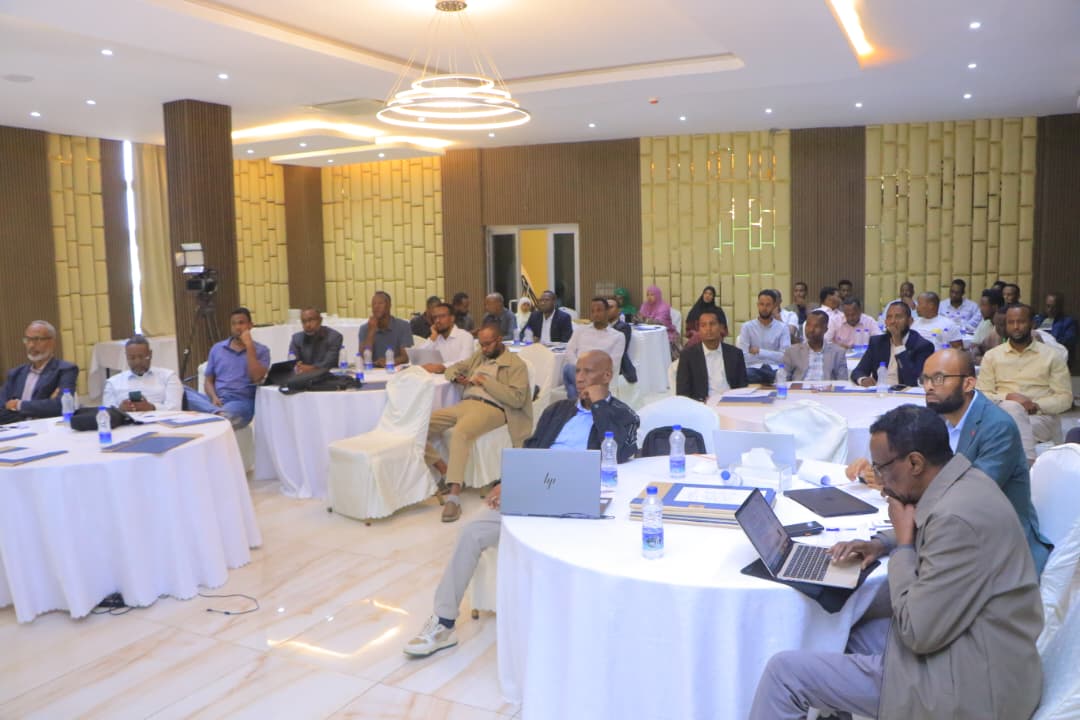
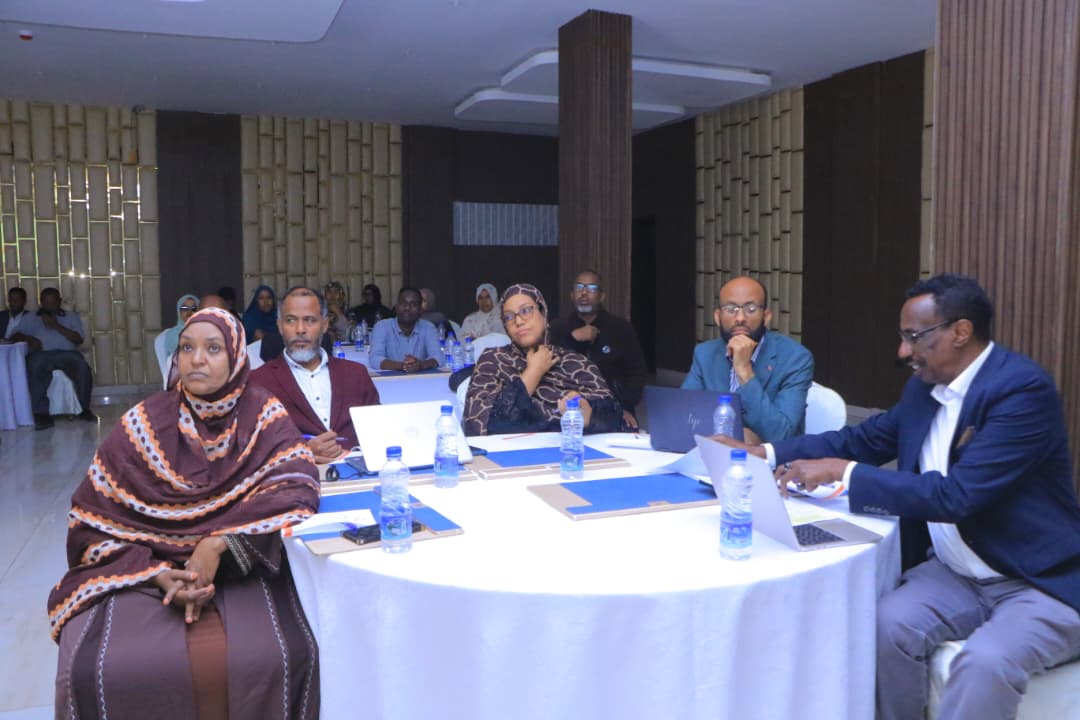
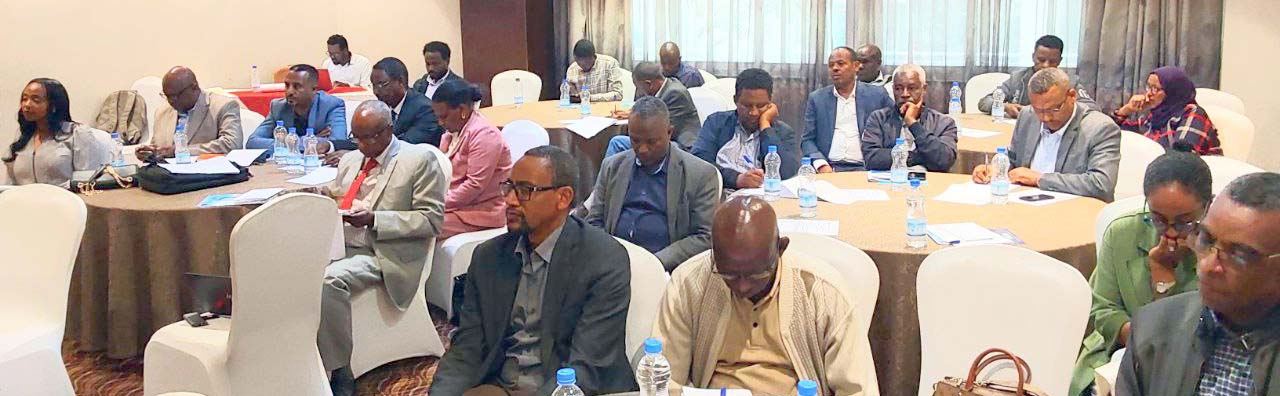
 Beneath the soft glow of chandeliers at the Elilly International Hotel’s Geda Hall, the Gudina Tumsa Foundation (GTF) organized a consultation that may mark a turning point in Oromia’s governance journey. Yesterday, leaders, policy advisors, and experts from the Oromia Planning and Development Commission (OPDC) gathered for the Consultative Workshop on the Proposed Establishment of the Oromia Policy Studies Institute (OPSI). By the end of the day, the hall carried a unanimous voice: Oromia must have its own independent policy studies institute.
The event was organized under GTF’s Healthcare and Livelihood Improvement Advocacy Project in Oromia (HaLIAPO), a program designed to strengthen the role of evidence and research in shaping policy decisions. The workshop not only presented the proposal for the establishment of the Institute but also created a platform where OPDC leaders and experts engaged in frank and constructive dialogue about Oromia’s development path.
 From the opening remarks to the final reflections, the workshop radiated a sense of urgency. Participants stressed that Oromia, as the country’s largest regional state, cannot rely on fragmented research and outdated approaches to make significant policy decisions. Instead, they called for a new era of governance informed by reliable data, rigorous analysis, and innovative thinking.
Dr Mekonnen Bersisa, Deputy Commissioner of Oromia Planning and Development Commission (OPDC), delivered an impressive opening remark. He appreciated GTF’s commitment in not only describing but also proposing the idea of establishing the Institute, and praised the Foundation for its vision. Dr Mekonnen emphasized that collective effort and collaboration among pertinent stakeholders are essential for the proposed OPSI to become a reality. He expressed his appreciation for GTF’s leadership, describing the idea as “marvelous” and affirming OPDC’s eagerness and commitment to work towards establishing the Institute.
 In his reflections, GTF’s Programs Director, Mr. Iyobed Yonas, underscored that the establishment of OPSI will ensure the sustainability of initiatives pioneered under the HaLIAPO project, but with a broader mandate to serve numerous sectors across Oromia. He also appreciated the leaders and staff of OPDC for their active participation and solid commitment. According to him, more series of discussions will follow, and he wholeheartedly expressed his hope that the Oromia Policy Studies Institute will soon become a reality.
Central to the day’s dialogue was the presentation of a discussion paper titled “Bridging the Evidence Gap: Quest for an Independent Policy Studies Institute in Oromia.” Delivered by GTF’s policy analyst, Mr. Wakgari Kabeta, the paper highlighted the scattered and inconsistent nature of current research initiatives across sectors. The lack of alignment, it argued, often weakens policy decisions and creates an “evidence gap” in Oromia’s development process.
 The proposed OPSI would address these challenges by serving as a central, autonomous, and non-partisan body dedicated to policy research, capacity building, and advocacy. While institutionally linked to the OPDC, it would enjoy independence in its operations, financing, and staffing. Its outputs would also be made freely accessible, ensuring transparency and public trust.
Participants agreed that OPSI’s mandate would extend beyond producing research. It would train policymakers, foster knowledge-sharing platforms, support advocacy initiatives, and provide consultancy services. In short, it would become Oromia’s intellectual compass, advising leaders through complex policy terrain with clarity and evidence.
 The consultative workshop reflected GTF’s broader vision through HaLIAPO to embed evidence-based practice into governance structures across Oromia. By proposing and organizing this consultation, GTF positioned itself as a bridge between civil society, academia, and government. Its facilitation of dialogue not only advanced the specific goal of establishing OPSI but also demonstrated the importance of creating neutral spaces where knowledge and leadership can meet.
The consensus reached at the workshop was not an endpoint but a beginning. For OPSI to come into existence, a formal Proclamation by the Oromia Regional Council (Caffee) will be required. This legislative act will secure the Institute’s autonomy and legal mandate, ensuring its sustainability and credibility.
 As the workshop concluded, there was a palpable sense of achievement. The day had been more than a series of speeches and discussions; it was a collective affirmation of Oromia’s determination to embrace evidence-driven governance. The unanimity of the decision stood as a powerful symbol: OPDC leaders aligned on one vision.
In shaping this dialogue, GTF demonstrated its role as a catalyst for change. The consultation will be remembered not only as a workshop but as a milestone marking the moment when OPDC’s leaders, with GTF’s support, pledged to institutionalize knowledge as the backbone of governance. The proposed Oromia Policy Studies Institute, once realized, promises to be more than an institution. It will be a living testament to the region’s commitment to transformation, accountability, and evidence-based progress.