By: Yitbarek Tekalign
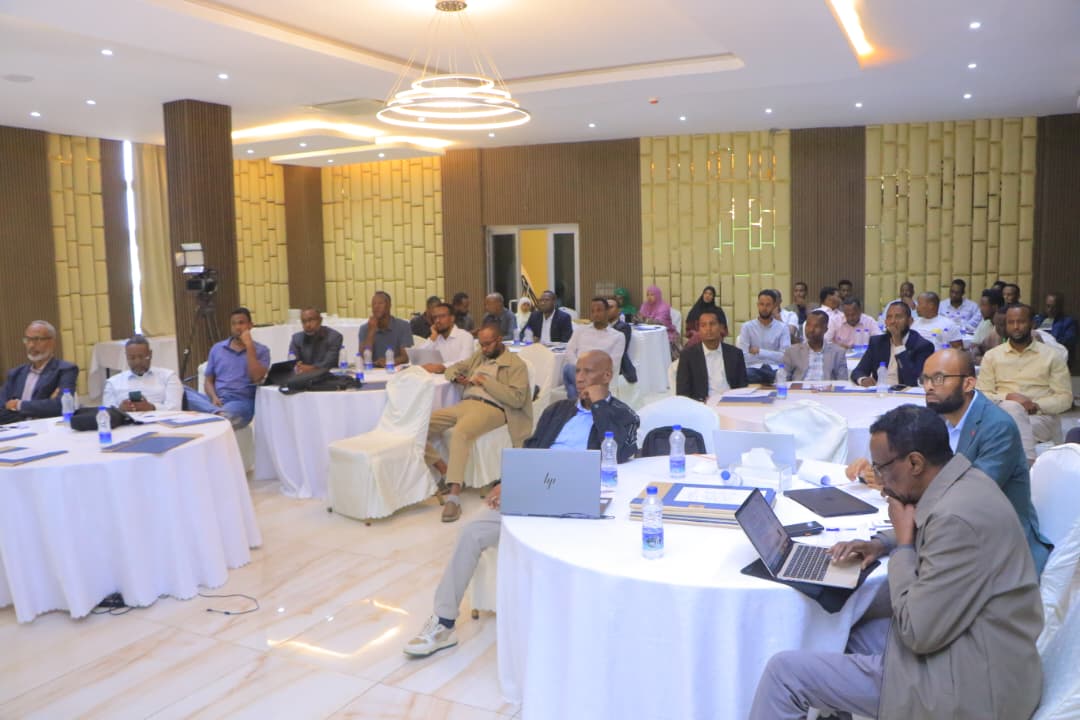
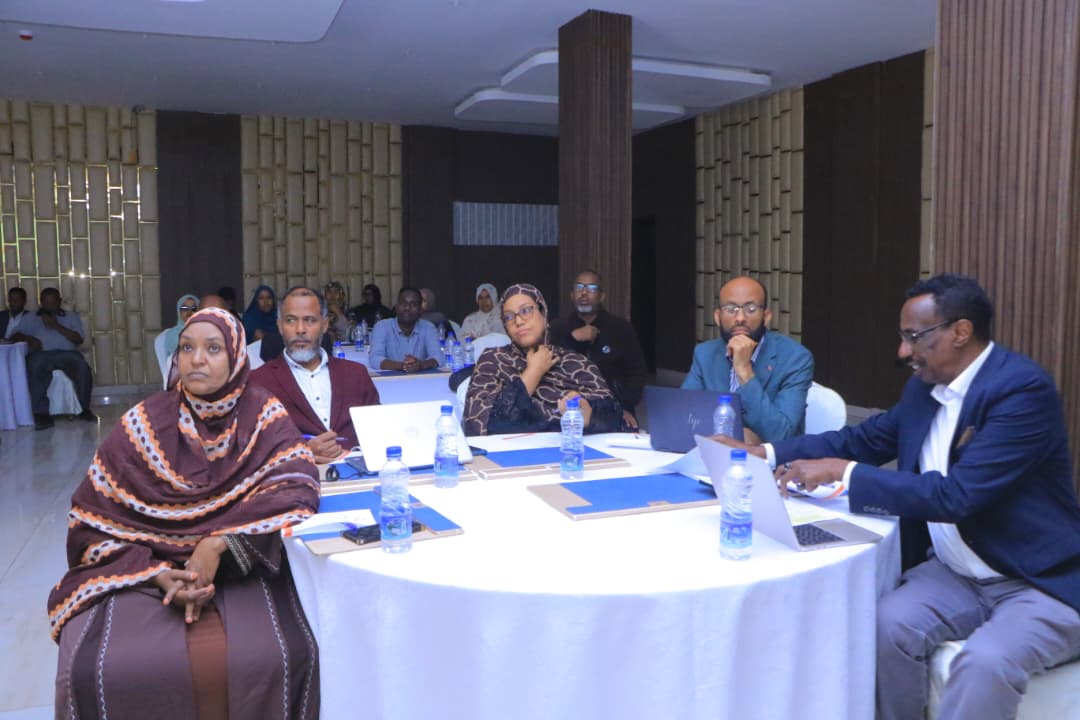
 Today, in the very heart of Adama, where the restless Rift Valley winds brushed against the glass and steel façade of the Dire International Hotel, Finfinne Hall rose as a quiet symbol of ambition and renewal. Beneath its luminous, soaring roof, arching like a promise over the land’s agricultural dreams, more than two hundred voices converged in purpose. The 3rd Regional Agricultural Mechanization Forum unfolded not as a routine gathering, but as a living conversation, rich with urgency and hope, intent on reshaping the agricultural future of Oromia.
 The forum stood on the strength of partnership and shared resolve. Supported by Gudina Tumsa Foundation (GTF) through its Healthcare and Livelihood Improvement project in Oromia (HaLIAPOS), the event was led by the Oromia Bureau of Agriculture. The Deputy Head of the Bureau, Mr. Berisso Feyisa, delivered an inspiring opening remark, and the Bureau Head, Mr. Getu Gemechu, guided the discussions throughout the forum. Mr. Iyobed Yonas, Program Director of the Gudina Tumsa Foundation, also participated as a panelist and contributed significantly to the dialogue. The hall was filled with a diverse and influential assembly: senior officials from the Oromia Regional State Office of the President, Oromia Bureau of Agriculture, zonal and city agricultural offices, advisors to the Oromia President specifically involved with the HaLIAPOS project, representatives of the private sector, cooperative leaders, academic institutions including Adama Science and Technology University, and other development partners. Their presence reflected a shared understanding that the transformation of agriculture demands collective effort and an aligned vision.
 At the core of the discussions was a clear and compelling mission: to assess the performance of agricultural mechanization across the region and to chart strategic actions that could turn potential into development. In a region where three-quarters of the population depend directly on agriculture, mechanization was presented not merely as a technological upgrade, but as a lifeline for productivity, efficiency, and economic resilience. Speakers painted a picture of fields empowered by modern machinery, of farmers accessing certified technologies, and of systems that reduce labor burdens while increasing yields and income.
As ideas flowed across the hall, the dialogue deepened into practical pathways forward. The promise of mechanization as a service models took center stage, offering solutions that could extend access to machinery beyond ownership. Emphasis was placed on strengthening operator skills, expanding repair and maintenance services, and positioning mechanization as a driver of export competitiveness and job creation. Technology, participants agreed, must work hand in hand with human capacity and institutional support.
 The energy of the forum was further amplified by an exhibition of modern agricultural machinery. Importers displayed equipment designed to close the technology gap, turning abstract discussions into tangible possibilities. Farmers’ needs, researchers’ insights, and private-sector innovation met in one space, sparking conversations that bridged policy and practice.
Amid the optimism, realism prevailed. Participants collectively acknowledged that mechanization cannot thrive without accessible finance. Strong consensus emerged on the need for financial institutions to step forward with tailored credit products, enabling farmers and service providers to invest confidently in modern equipment. Without such support, the promise of mechanization risks remaining beyond reach for many.
The forum also confronted the challenges that continue to test the sector. Despite a notable average increase of 17 percent in tractor supply between 2011 and 2018, gaps persist. Rural fuel shortages, limited maintenance centers, the influx of substandard machinery, and skill deficits among operators all threaten sustainability.
After contributing actively to the panel discussion, Mr. Iyobed Yonas reflected on the insights shared throughout the forum, noting that while countries like China began mechanization after Ethiopia, their rapid progress illustrates the critical need for consistency and sustained effort. He observed that Oromia has made impressive strides in mechanization, yet the advancement still falls short of the sector’s growing demands. Mr. Iyobed emphasized that forums like this should go beyond being annual gatherings, serving instead as platforms for continuous networking, collaboration, and knowledge sharing among stakeholders. He also highlighted that embracing both technological innovation and digitalization is essential for advancing agriculture and transforming the livelihoods of the people.
As the gathering drew to a close, a shared sense of direction settled over Finfinne Hall. The path forward called for timely delivery of quality technologies, stronger linkages among stakeholders, robust certification systems, and specialized mechanization structures within local offices. Just as the bright roof of the hall had sheltered the day’s deliberations, the strategies forged within its walls now stand ready to protect and uplift the livelihoods of millions of farmers across Oromia, carrying their hopes toward a more productive and resilient future.