By: Yitbarek Tekalign
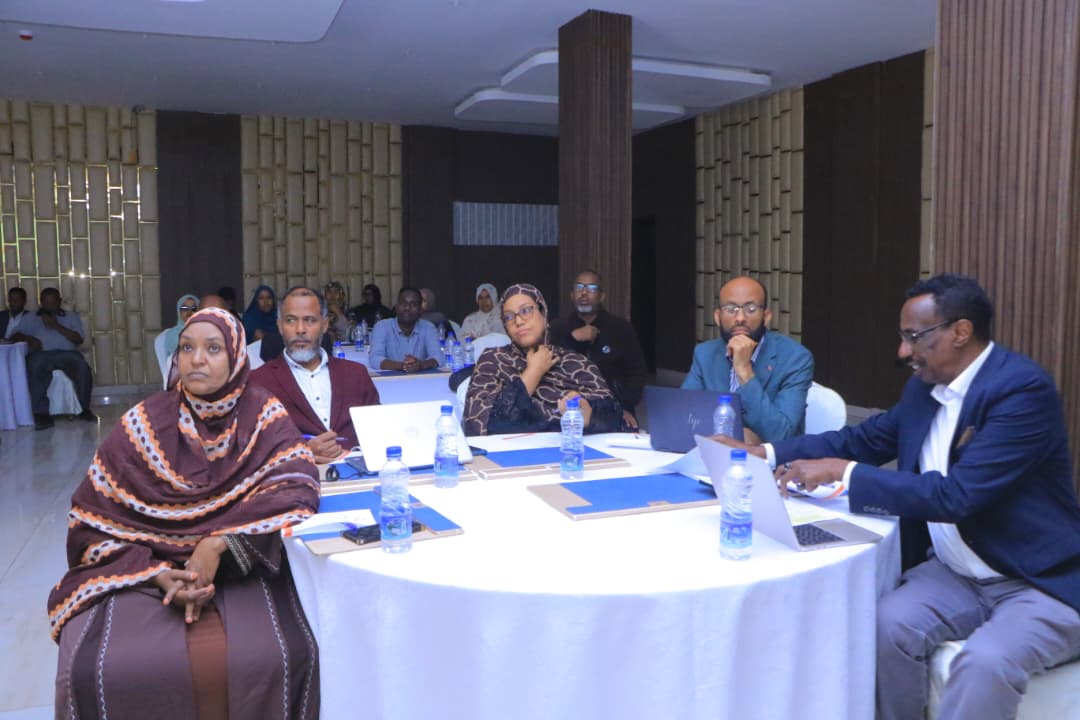
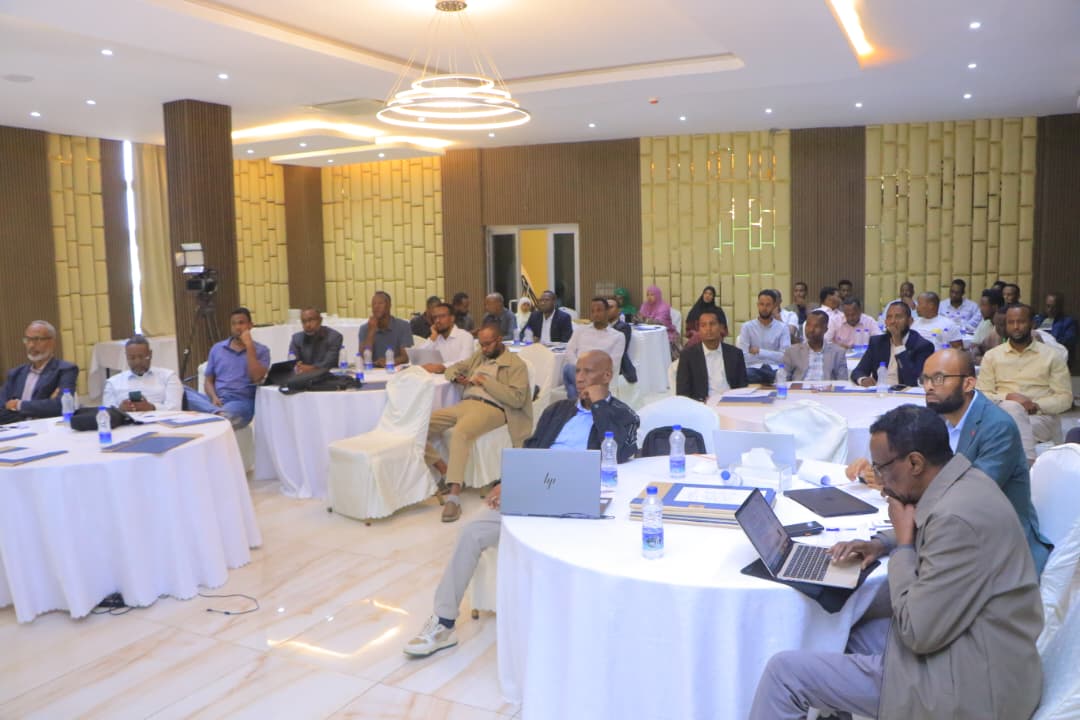
Gudina Tumsa Foundation (GTF), through its Health and Livelihood Improvement Advocacy Project in Somali (HaLIAPS), convened a high-level validation workshop in Jigjiga to review and validate the findings of two important studies: Assessment of Agricultural Extension Services and Technologies and Constraints to Irrigation Development and Efficient Water Use in the Somali Region.
 The research was commissioned by GTF and conducted by the Somali Region Livestock and Agricultural Research Institute (SoRLARI). The workshop brought together senior officials from the Somali Regional State, technical experts, researchers, development partners, and other key stakeholders to deliberate on the findings and recommendations.
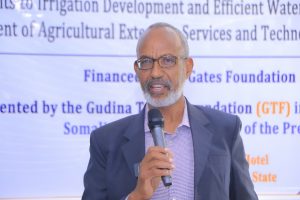 Opening the workshop, Mr. Mohammed Sharif, Director General of SoRLARI, emphasized the practical value of the studies in addressing critical challenges facing the agricultural sector. “This research provides a strong foundation for addressing the challenges identified and for designing practical interventions that can improve agricultural productivity, irrigation development, and the livelihoods of pastoral and agro-pastoral communities,” he said.
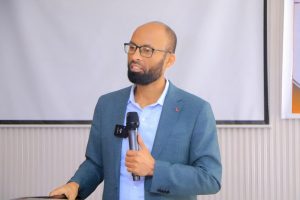 In his welcoming remarks, Mr. Iyobed Yonas, Programs Director of GTF, noted that the studies emerged from a participatory process involving stakeholders from the outset and reflected shared regional priorities.
“These are not simply our research projects; they are the result of shared priorities and collective decisions made by stakeholders across the region,” he stated.
He further underscored the importance of partnership, highlighting GTF’s collaboration with SoRLARI to ensure that the research generates lasting benefits for farmers, pastoralists, and policymakers in the region.
Mr. Teshome Bula, HaLIAPOS Project Manager, on his part, stressed that the validated findings will be disseminated to relevant stakeholders and translated into policy briefs for regional decision-makers.
“Our ultimate goal is improvement. The evidence generated through this research will help strengthen existing policies, address implementation gaps, and support the development of new policies where necessary,” he said.
The studies identified key challenges affecting agricultural extension services, technology adoption, irrigation development, and efficient water use, while also presenting practical opportunities and policy recommendations to improve productivity, strengthen institutions, and enhance the resilience of pastoral and agro-pastoral communities.
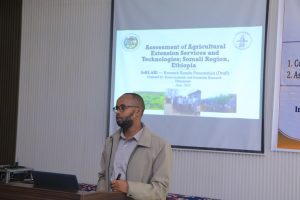 The studies were presented by Dr. Abdi Mahammed and Dr. Tesfu Mengistu of SoRLARI, who clearly articulated the key findings, recommendations, and policy implications, generating strong interest and productive discussion among participants.
Following extensive deliberations, participants commended the quality and relevance of the research and emphasized the need to translate the recommendations into concrete actions. The two studies were subsequently validated with resounding applause, reflecting broad consensus on their significance and their potential contribution to evidence-based policymaking and sustainable development in the Somali Regional State.
The validation marks an important milestone in GTF’s HaLIAPS initiatives and reaffirms the role of research, partnership, and policy advocacy in advancing agricultural development and improving livelihoods across the Somali Regional State.