By: Yitbarek Tekalign
Jigjiga, Somali Region | June 16, 2025
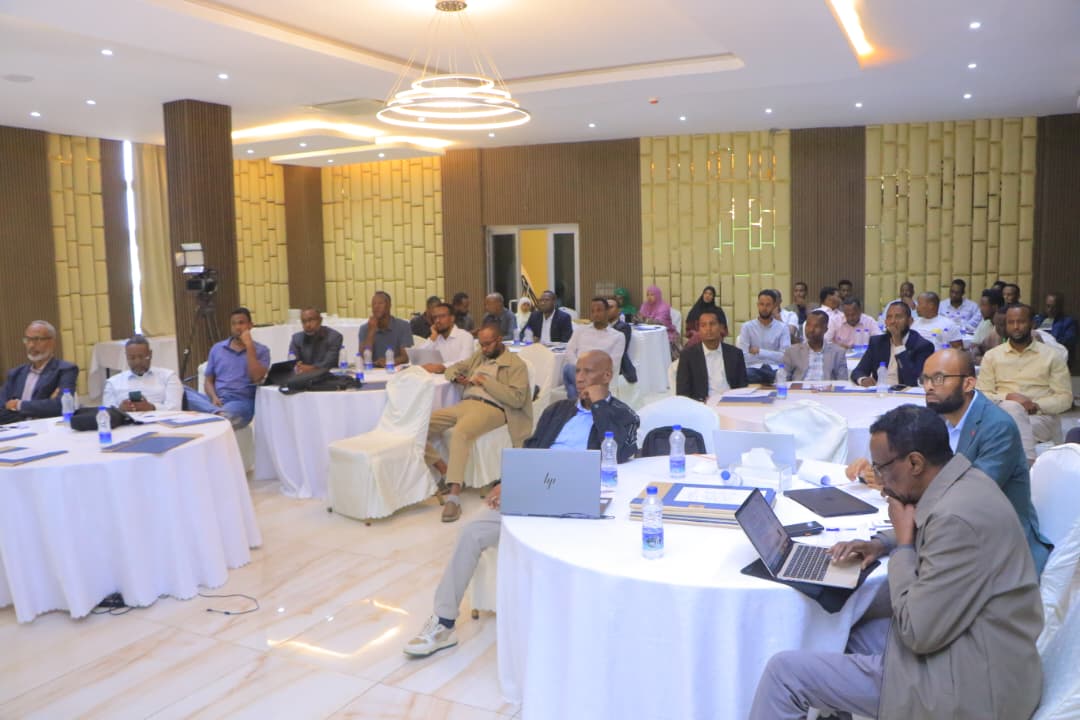
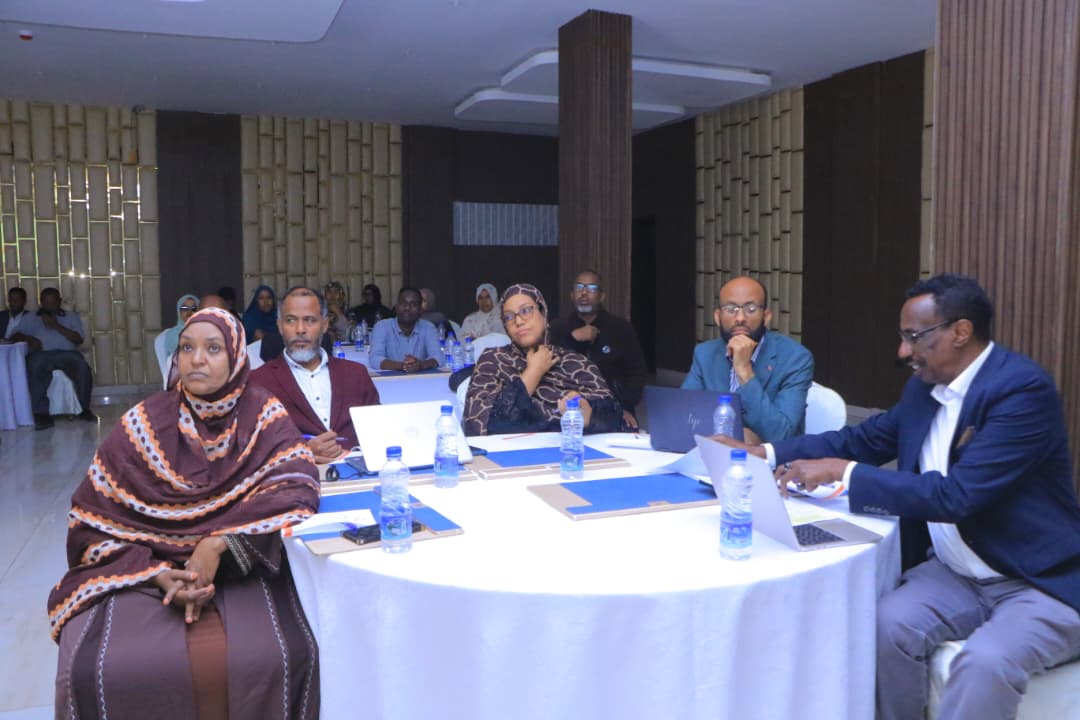
 A pivotal consultative workshop on Women’s Economic Empowerment (WEE) was held today at Jigjiga University’s Management Hall, drawing broad participation from regional officials, key stakeholders, and a strong representation of women more than 70% of the attendees from various sectors. The workshop, organized by the Gudina Tumsa Foundation (GTF) under its Health and Livelihood Improvement Advocacy Project in Somali (HaLIAPS), provided a platform for dialogue and policy-oriented action to advance the economic status of women.
 Moderated by Ms. Kemeriya Mehammed, HaLIAPS Project Coordinator, the event opened with a powerful affirmation that women’s empowerment is not merely a policy objective but a foundation for sustainable progress. “Women’s economic empowerment forms the bedrock for the advancement of our societies,” Ms. Kemeriya stressed in her address.
 Opening the workshop, Mr. Iyobed Yonas, GTF’s Programs Director, warmly welcomed all participants and placed the event within the broader context of GTF’s policy advocacy initiatives. “Today marks a major milestone, we are not just sharing data; we are developing a roadmap for real and measurable change in women’s economic empowerment in the Somali Region.” Mr. Iyobed explained that the workshop is a key step in GTF’s policy transformation process.
He further outlined what GTF had already accomplished under the HaLIAPS project, including developing key performance indicators alongside relevant regional offices; policy mapping and analysis; extensive data collection, including primary data from five zones and three municipalities and secondary data from relevant government sources; and data analysis and research report writing that forms the basis for policy advocacy.
 The highlight of the event was a comprehensive presentation by Mr. Gemechu Bekana, GTF’s Research Officer, detailing the persistent inequalities faced by Somali women. His data revealed striking gaps: only 2.6% of women have accessed formal employment programs, over 77% remain unemployed, and less than 10% hold land certification or business ownership. Educational gender parity is also in decline due to early marriage, limited secondary education, and heavy domestic workloads. Furthermore, financial exclusion and limited access to banking services remain major barriers for women’s financial independence.
During group discussions, participants engaged in passionate exchanges, reflecting on policy gaps and proposing tailored strategies to enable greater participation by women in the region’s economic life.
The workshop concluded with a call for action, as participants stressed the urgency of turning policy into practice. Mr. Iyobed encouraged stakeholders to view this as a significant step forward in their collective efforts. He explained that by addressing structural and cultural barriers, it would be possible for women to contribute more fully to the region’s progress and future, adding that this workshop marked the beginning of a new era of policy and opportunity for Somali women.