June 17, 2025 | Jigjiga University
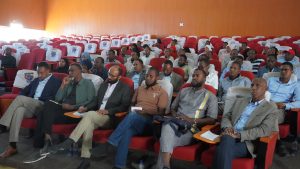
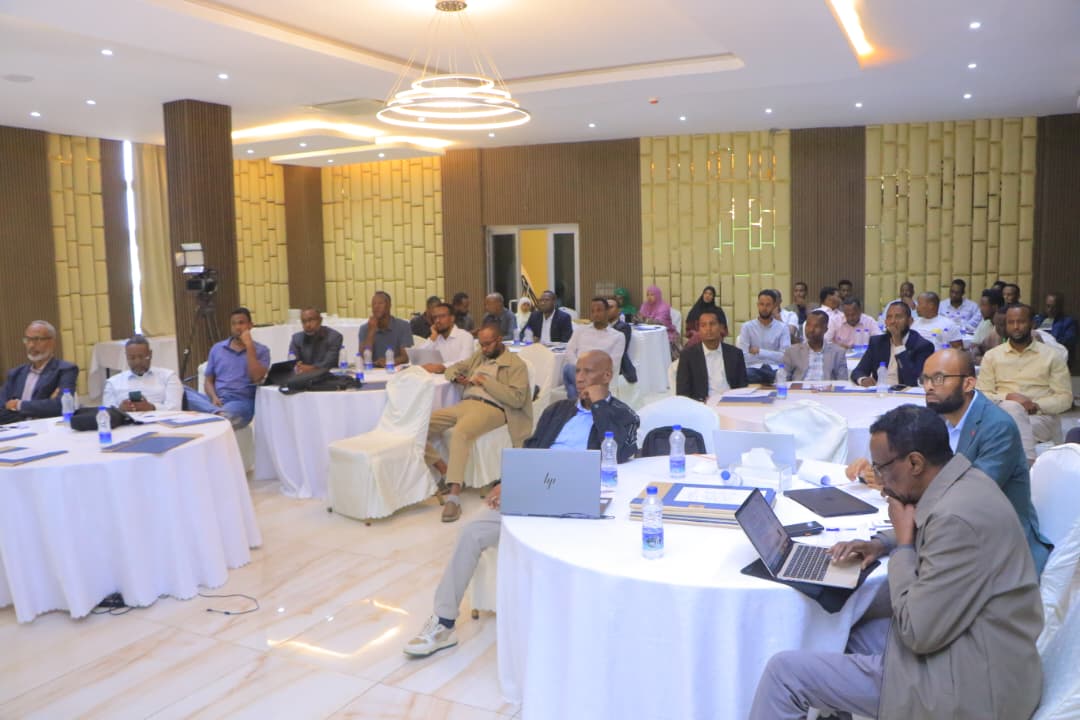
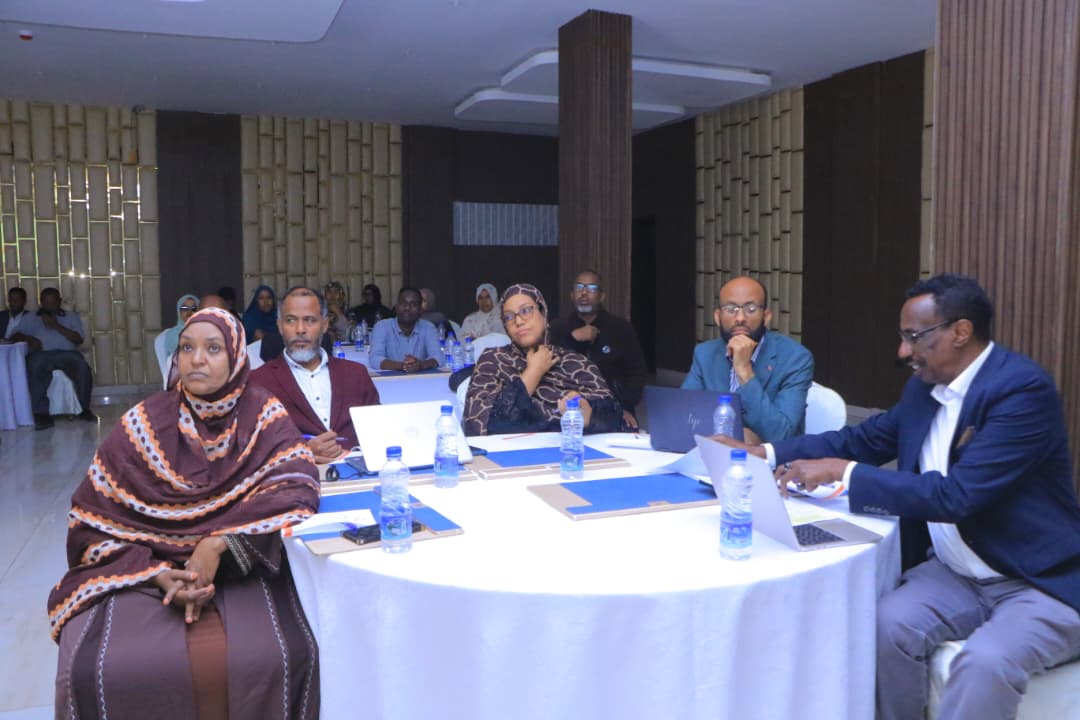
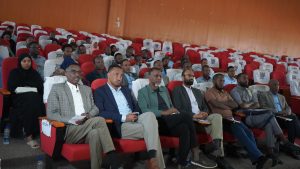
The Consultative Meeting on the Current State of Agricultural Production and Productivity in the Somali Regional State successfully concluded today at Jigjiga University Management Hall. Organized by the Gudina Tumsa Foundation (GTF) through its Health and Livelihood Improvement Advocacy Project in Somali (HaLIAPS), the high-level gathering brought together regional government officials, key stakeholders and development partners for a full day of discussion aimed at strengthening agricultural policy and practice in the region.
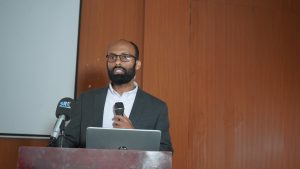 The event began with a welcome address by Mr. Iyobed Yonas, Programs Director at GTF, followed by opening remarks from HE Mr. Ahmed Ismael, Special Advisor to the President of the Somali Regional State. Their remarks set the stage for a collaborative and evidence-driven discussion focused on transforming the region’s agricultural sector. The centerpiece of the meeting was the presentation of a detailed research study on the state of agriculture in Somali Region, based on household surveys, community interviews, and data from relevant government bureaus.
The findings presented painted a mixed picture. Although the Somali Region has over 10 million hectares of arable land and a significant livestock population, only 10 percent of this land is currently cultivated. The research identified key challenges such as limited irrigation infrastructure, low access to modern inputs and technology, poor land certification systems, and weak agricultural extension services. In fact, only 10 percent of surveyed households reported receiving extension support, and just 7 percent participated in irrigation agriculture. Disparities in land access and certification, particularly affecting women, were also highlighted.
 The research also revealed that the region’s agriculture remains heavily dependent on cereal crops, with over 80 percent of cultivated land allocated to cereals, limiting both nutrition diversity and economic resilience. On the livestock side, producers face issues related to feed shortages, inadequate veterinary services, limited access to credit, and vulnerability to drought and climate variability. Despite these challenges, the study emphasized the region’s substantial potential for agricultural growth if policy and programmatic reforms are effectively implemented.
The meeting concluded with robust discussions and practical recommendations. Key proposals included establishing a semi-autonomous agricultural policy research institute, improving land registration and certification systems, expanding irrigation facilities, enhancing input distribution, promoting crop diversification, and scaling up access to extension services and promoting climate-smart agriculture. Stakeholders agreed on the need for stronger intersectoral coordination and more inclusive, localized policymaking processes to ensure that future agricultural interventions are both equitable and impactful.